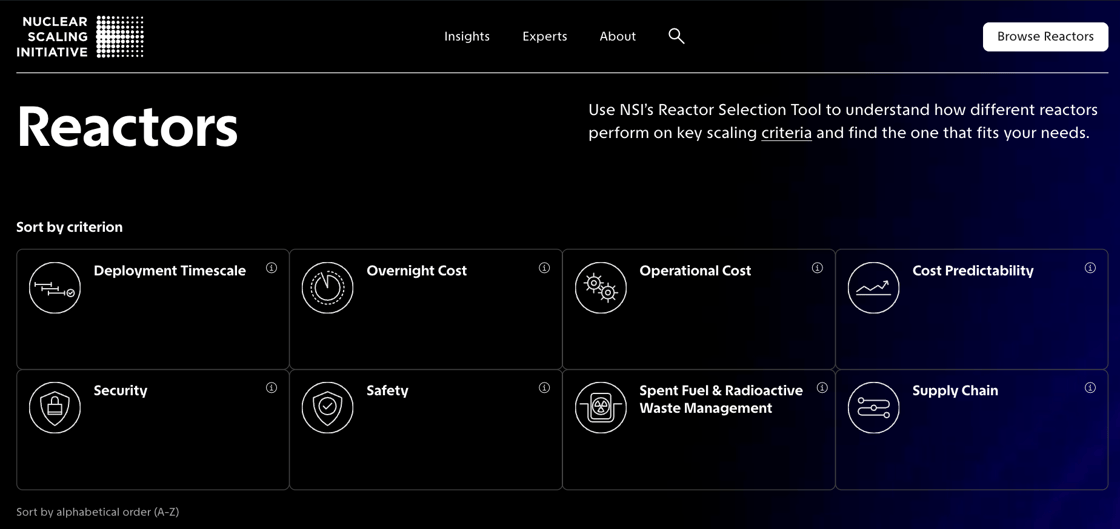
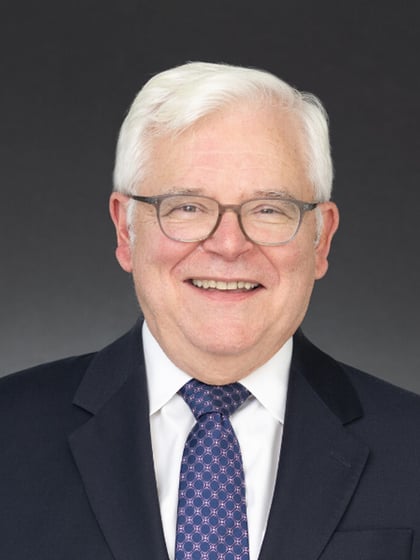
I am pleased to share that today, the Nuclear Scaling Initiative (NSI) unveiled the Reactor Selection Tool (RST), a web-based resource that enables side-by-side comparisons of 35 nuclear reactor designs from around the world. The tool allows governments, utilities, and investors to evaluate reactor technologies using consistent criteria and determine which designs best fit their deployment needs.
At a moment when the pace of nuclear energy deployment must accelerate, the RST provides decision makers with clear insights that help translate interest in nuclear energy into informed technology choices and real projects on the ground.
NSI Unveils New Website and Reactor Selection Tool
NSI’s RST, hosted on its new website, allows stakeholders across the nuclear energy supply chain to compare 35 reactor designs. Each design is rated on a scale from 1 to 5 across eight criteria: deployment timescale, overnight cost, operational cost, cost predictability, security, safety, spent fuel and radioactive waste management, and supply chain.
The RST enables stakeholders to make informed comparisons among various designs and advances informed decision-making around a single reactor design to form an orderbook in the U.S.
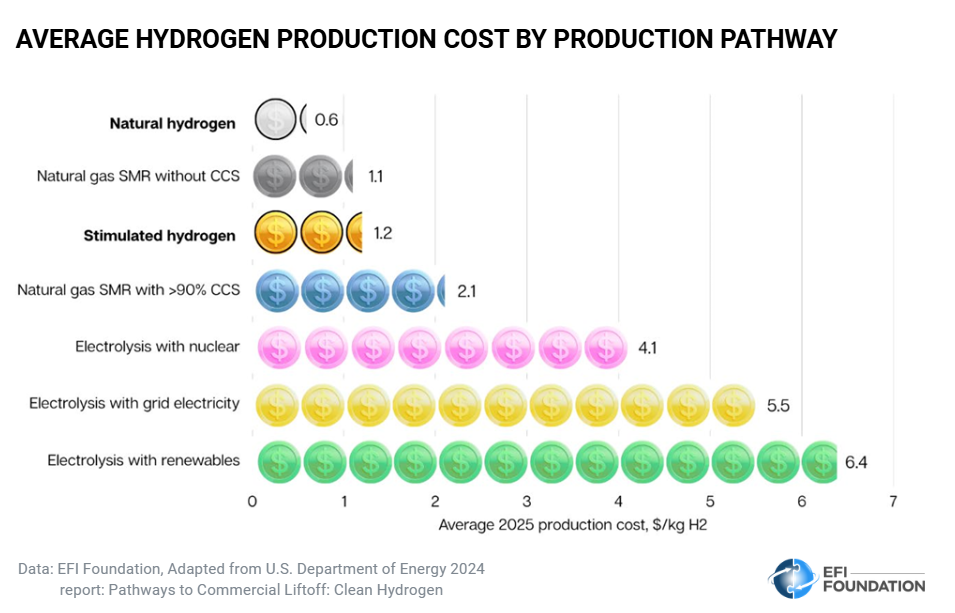
EFI Foundation’s (EFIF) report, Exploring the Future of Geologic Hydrogen, breaks down the cost of hydrogen production by production pathway, showing how natural and stimulated geologic hydrogen can be cost competitive with fossil-based production methods.
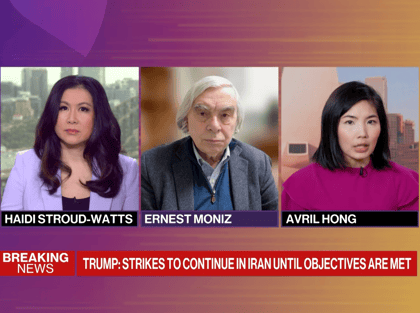
EFIF Founder and CEO Ernest J. Moniz appeared on Sky News, CNBC, Bloomberg, and ABC News to discuss the ongoing conflict, Iran's nuclear program, and what lies ahead.
NUCLEAR
NSI Launches Campaign to Drive Smart Fuel Management
Nuclear energy experts including Heidi Heitkamp, John Deutch, and Laura Holgate join the campaign to scale next-generation reactors and strengthen America’s energy and national security.
Leading Conversations
“Looking to the future of a low-carbon economy, we may not be able to move as fast as we might like, but we have to move as fast as we can.”
- Joseph S. Hezir, EFIF President and CFO,in Canary Media on the EU's Carbon Border Adjustment Mechanism (CBAM)
THOUGHT LEADERSHIP
Upcoming
On March 10, NSI will present the RST during a sideline event at the International Atomic Energy Agency’s Nuclear Energy Summit in Paris.
Comello and Maddy Cohen, EFIF project manager, attended the Chey Institute’s Trans-Pacific Dialogue convening leaders from the U.S., Japan, and South Korea to address the geopolitical, geoeconomic, and technological challenges affecting the Pacific region.
Monizspoke on a panel at the MIT Energy Conference and was later quoted in Time Magazine advocating for a comprehensive approach for finding solutions to current energy challenges: “the real message is it’s all one conversation.”
Hezir spoke to Canary Media about the EU’s proposed exemptions for specific imports under CBAM.
Moniz delivered a keynote address at Duke University's third annual “From Billions to Trillions” summit. His remarks, covered in The Chronicle, focused on reducing risk and unlocking markets to scale energy and climate finance.
Comello shared opening remarks and spoke on a panel addressing solutions to rising energy costs in the U.S. at the National Academies of Sciences, Engineering, and Medicine’s energy affordability workshop.
Moniz reflected on his service as the 13th U.S. Secretary of Energy in the Obama Presidency Oral History Project, a digital archive documenting the Obama administration with over 1,100 hours of interviews.
EFI Foundation, 900 17th St NW, Suite 1100, Washington, D.C., 20006,
At the EFI Foundation, we advance innovative, evidence-based solutions to complex energy challenges—combining rigorous analysis with a pragmatic approach to bridge the gap toward a low-carbon future.